Hormuz disruption could reprice global energy security
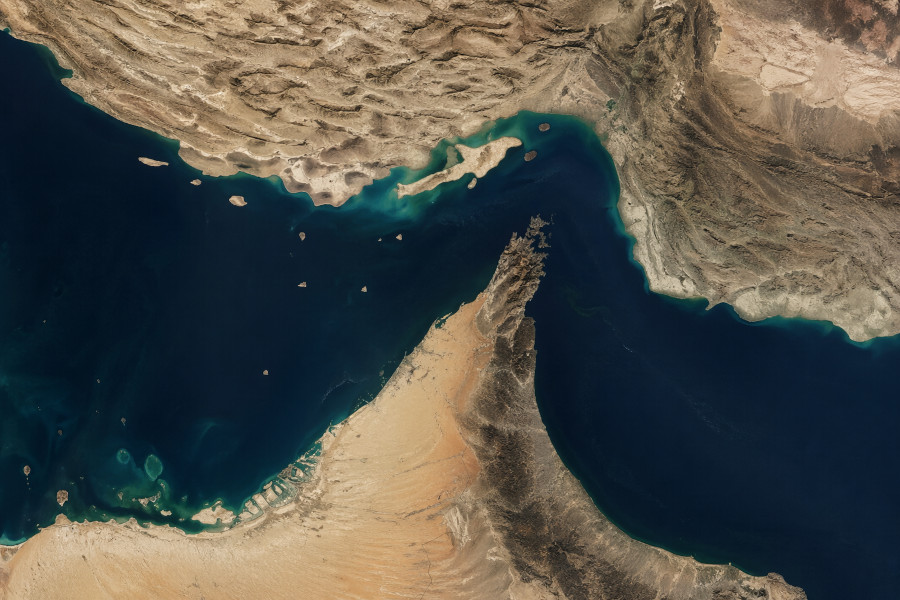
A prolonged closure or restriction of the Strait of Hormuz would do more than produce another oil-price spike. It could change what governments and companies are willing to pay for reliable energy.
The strait, a narrow waterway between Iran and Oman, carries a concentration of energy trade that is difficult to replace. About 20 million barrels a day of crude oil and oil products moved through it in 2025, roughly a quarter of world seaborne oil trade, according to the International Energy Agency (IEA). Nearly a fifth of global liquefied natural gas trade also depends on the route, mainly from Qatar and the United Arab Emirates.
That makes Hormuz a global economic risk, not just a regional security problem. If confidence in the route is damaged for months rather than days, the shock can spread beyond immediate shortages into higher insurance and freight costs, larger inventories, more expensive backup supply and renewed pressure on governments to cushion consumers from fuel and power prices.
Recent disruptions have highlighted how sensitive global energy markets are to interruptions in Hormuz. Short-lived constraints can still trigger outsized supply shocks, while the recovery in production and shipping tends to lag behind the initial disruption. That imbalance between rapid losses and slower normalization helps explain why markets build in a lasting risk premium. The U.S. Energy Information Administration, for example, forecasts Brent crude will average $96 a barrel in 2026, up from $69 in 2025, and to remain elevated in 2027.
Markets price in that risk because the system cannot easily adapt. The physical limits are stark. Saudi Arabia and the UAE have some ability to bypass Hormuz, with an estimated 3.5 million to 5.5 million barrels a day of available crude export capacity through alternative routes. That helps, but it is far below the normal volume of oil and products moving through the strait. Those routes also depend on logistics and supply chains that have not been fully tested at crisis scale.
Liquefied natural gas (LNG) is even less flexible. Around 93% of Qatar's LNG exports and 96% of the UAE's LNG exports transit Hormuz, representing about 19% of global LNG trade. Unlike crude, LNG cannot be redirected through spare pipelines. Export terminals, buyers and shipping schedules are locked into a more rigid system.
Asia would feel that pressure first. The EIA estimated that 83% of LNG moving through Hormuz in 2024 went to Asian markets, with China, India and South Korea the top destinations. Bangladesh, India and Pakistan imported almost two-thirds of their LNG supplies through the strait in 2025, leaving them exposed to both price spikes and physical shortages if disruptions persist.
The effects could reach beyond energy bills. Natural gas is a power fuel and a feedstock for fertilizer, so a sustained LNG shortfall can hit factories, electricity systems and food costs at the same time.
For policymakers, the crisis turns redundancy from an abstract goal into a budget question. Strategic petroleum reserves can soften a short disruption, but they cannot replace months of interrupted crude, refined products and LNG flows. More storage, more flexible import contracts and more diversified supply would improve security, but consumers or taxpayers eventually pay for them.
Companies face the same trade-off. Refiners may look harder for crude outside the Gulf. Utilities may reduce dependence on spot LNG cargoes tied to one route. Airlines, shippers and petrochemical producers may hedge more aggressively against fuel and feedstock shocks. Those choices can make supply chains more resilient, but they also raise the cost of operating them.
Over time, a persistent Hormuz risk premium could influence investment in non-Gulf oil and gas projects, storage, alternative export infrastructure and shipping security. It could also strengthen the case for renewable power, nuclear energy, batteries and efficiency in countries that see lower fuel imports as an energy-security objective as well as a climate goal.
Even if disruptions prove temporary, the memory of instability at such a critical chokepoint is likely to endure. The cost of Hormuz risk may no longer be measured only in barrels delayed today, but how much the world is willing to pay to depend on it less.