Stagflation on the horizon
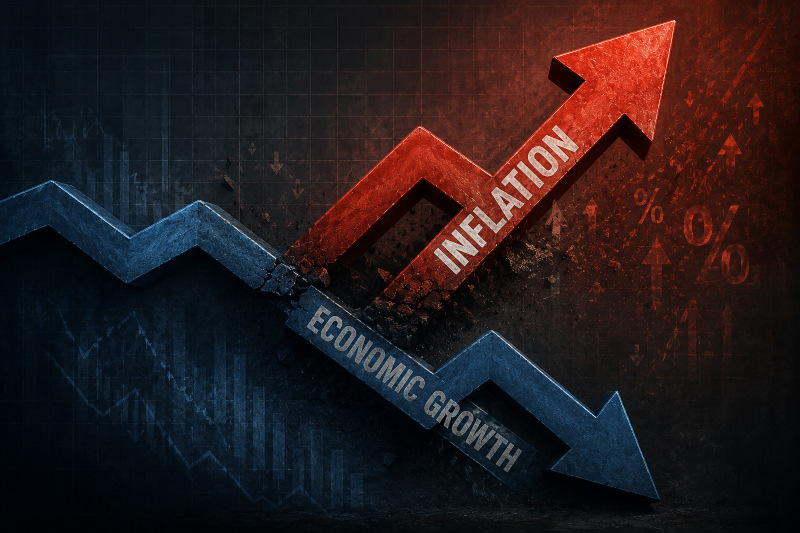
The latest stagflation scare did not begin with the war in the Middle East. The conflict is the spark. The tinder was laid over more than a decade of cheap money, repeated crisis rescues and underinvestment in the supply capacity needed to absorb shocks.
Official forecasts do not show a rerun of the 1970s. Even so, they point in the same uncomfortable direction: weaker growth, renewed inflation pressure and less room for policy mistakes.
The drivers are layered. First came the long period of very low interest rates after the global financial crisis, which encouraged borrowing, raised asset prices and made economies more sensitive to higher rates. The Bank for International Settlements warned in 2022 that historically low interest rates, combined with unusually high public and private debt, had created financial vulnerabilities that could magnify a slowdown.
Then came the pandemic rescue. Governments and central banks were right to prevent a depression, but the scale mattered. The Federal Reserve’s balance sheet grew from about $4 trillion before the pandemic to nearly $9 trillion by early 2022, largely because of asset purchases. The International Monetary Fund later said unprecedented fiscal and monetary stimulus boosted demand faster than supply could adjust, contributing to the inflation surge.
That is the crucial point for today's stagflation risk. Bailouts and cheap money did not cause the war, the energy shock or shipping disruption. They did, however, leave demand stronger, debt higher and asset valuations more dependent on low interest rates. The result is an economy in which supply shocks translate more quickly into financial and political stress.
The current war shock has exposed that fragility. Energy and shipping disruptions raise business costs and squeeze real incomes. The broader outlook remains uncertain, with slower growth, persistent inflation pressures and heightened vulnerability to further geopolitical or financial shocks weighing on the global economy.
Central banks are now trapped between two errors. Cut too soon, and they risk letting a new energy-driven inflation impulse bleed into wages, prices and expectations. Push too hard against inflation, and they risk turning a supply shock into a broader demand slump.
The cheap-money era bought time in successive crises, but it also deepened dependence on policies that are less effective against supply-driven inflation. In this environment, stagflation no longer looks like a historical relic.